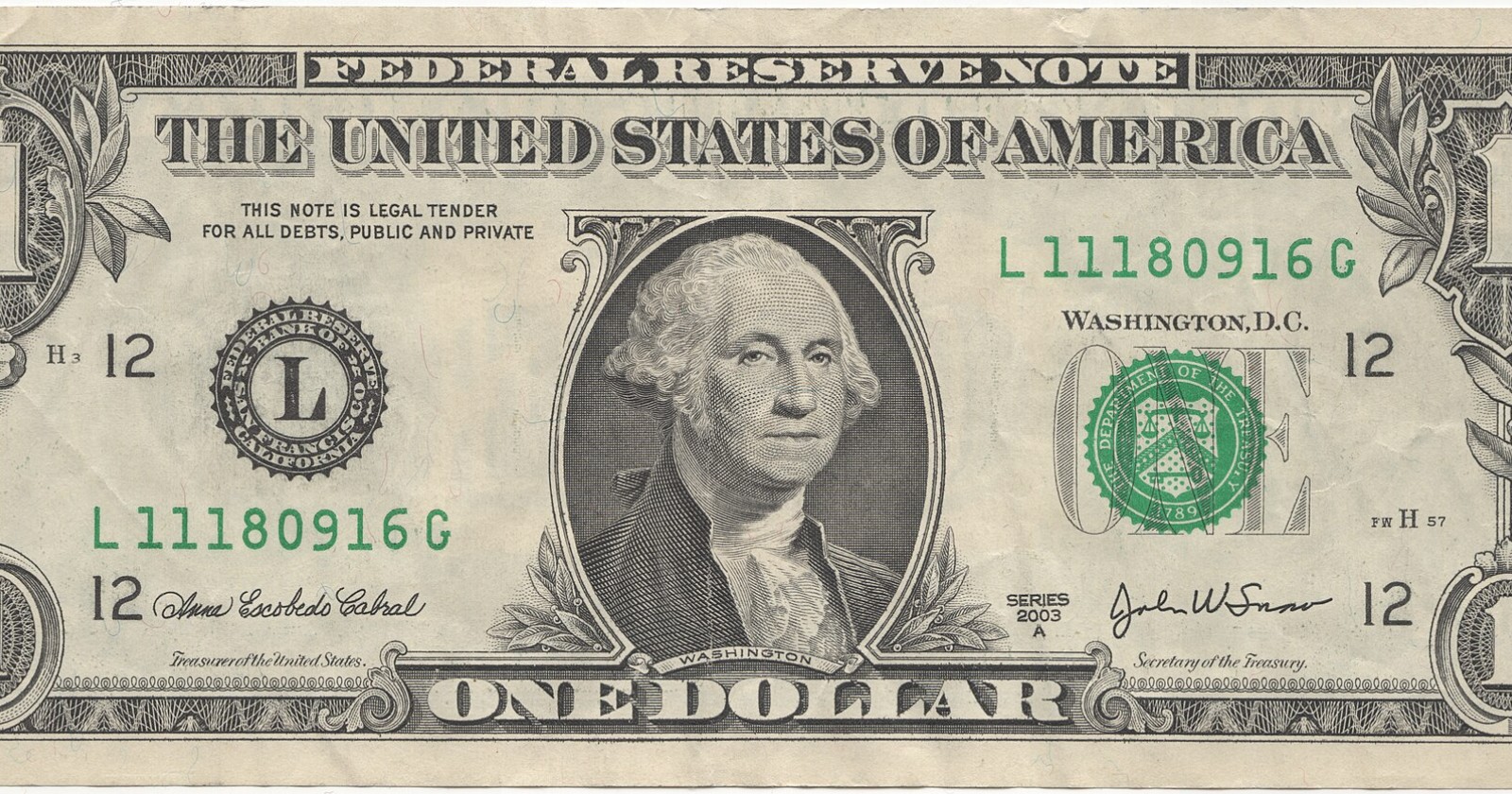
In a 1959 Stanford experiment, two groups were paid to lie about a tedious task. The group paid less came to believe the lie. The result launched one of psychology's most influential theories, and it still complicates how we think about persuasion and pay. The post Why did students paid one dollar to call a boring task enjoyable end up believing it, while those paid twenty dollars did not? appeared first on Space Daily .
Why did students paid one dollar to call a boring task enjoyable end up believing it, while those paid twenty dollars did not?