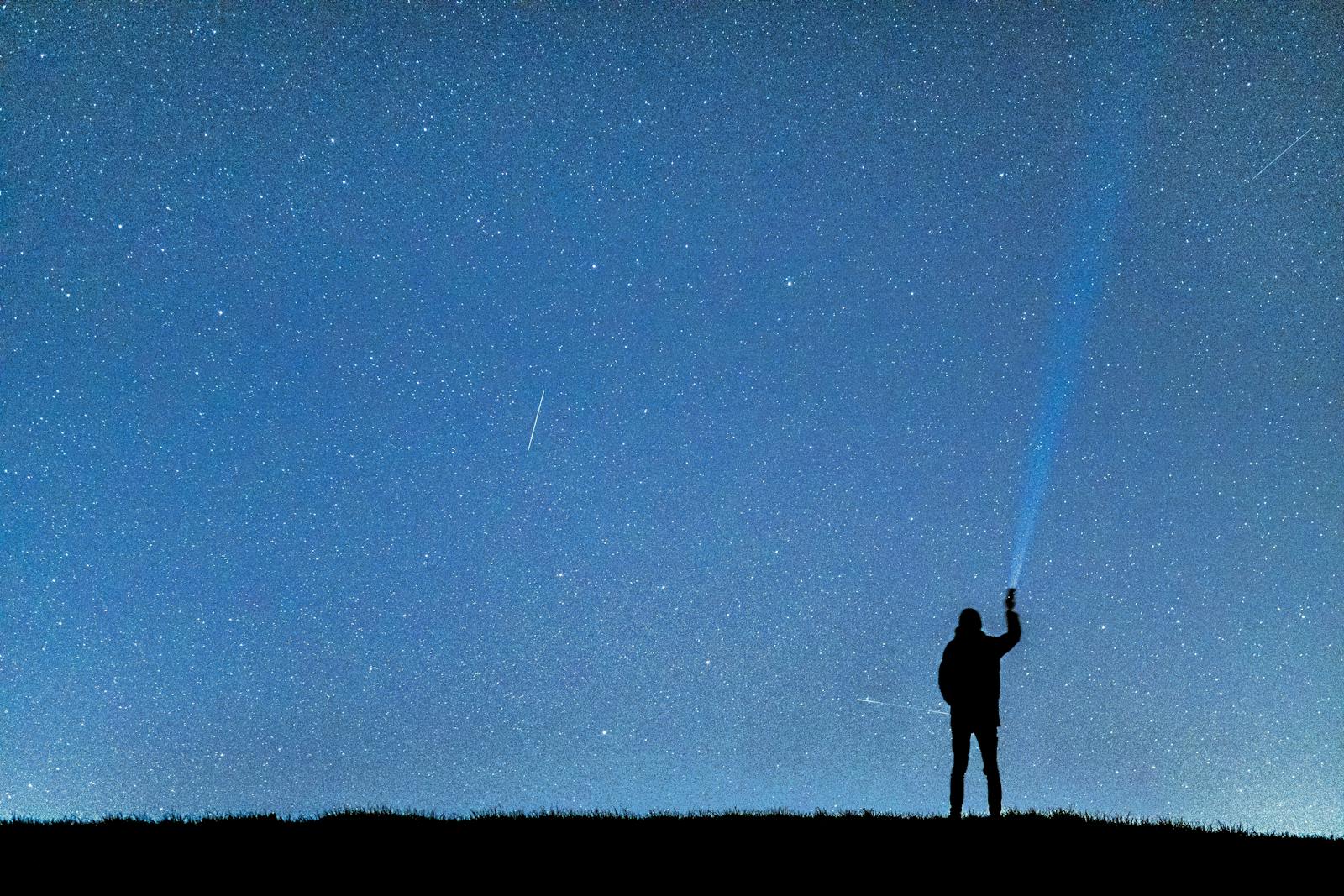
Photoreceptors in the human retina are central nervous system neurons that grew outward from the forebrain during the fourth week of embryonic development. When starlight hits your eye, it is striking brain tissue directly. The post The cells in your eyes that detect light are technically part of your brain, pushed outward during embryonic development, which means when you look at the night sky your brain is physically touching the photons that left distant stars thousands of years ago. appeared first on Space Daily .
The cells in your eyes that detect light are technically part of your brain, pushed outward during embryonic development, which means when you look at the night sky your brain is physically touching the photons that left distant stars thousands of years ago.