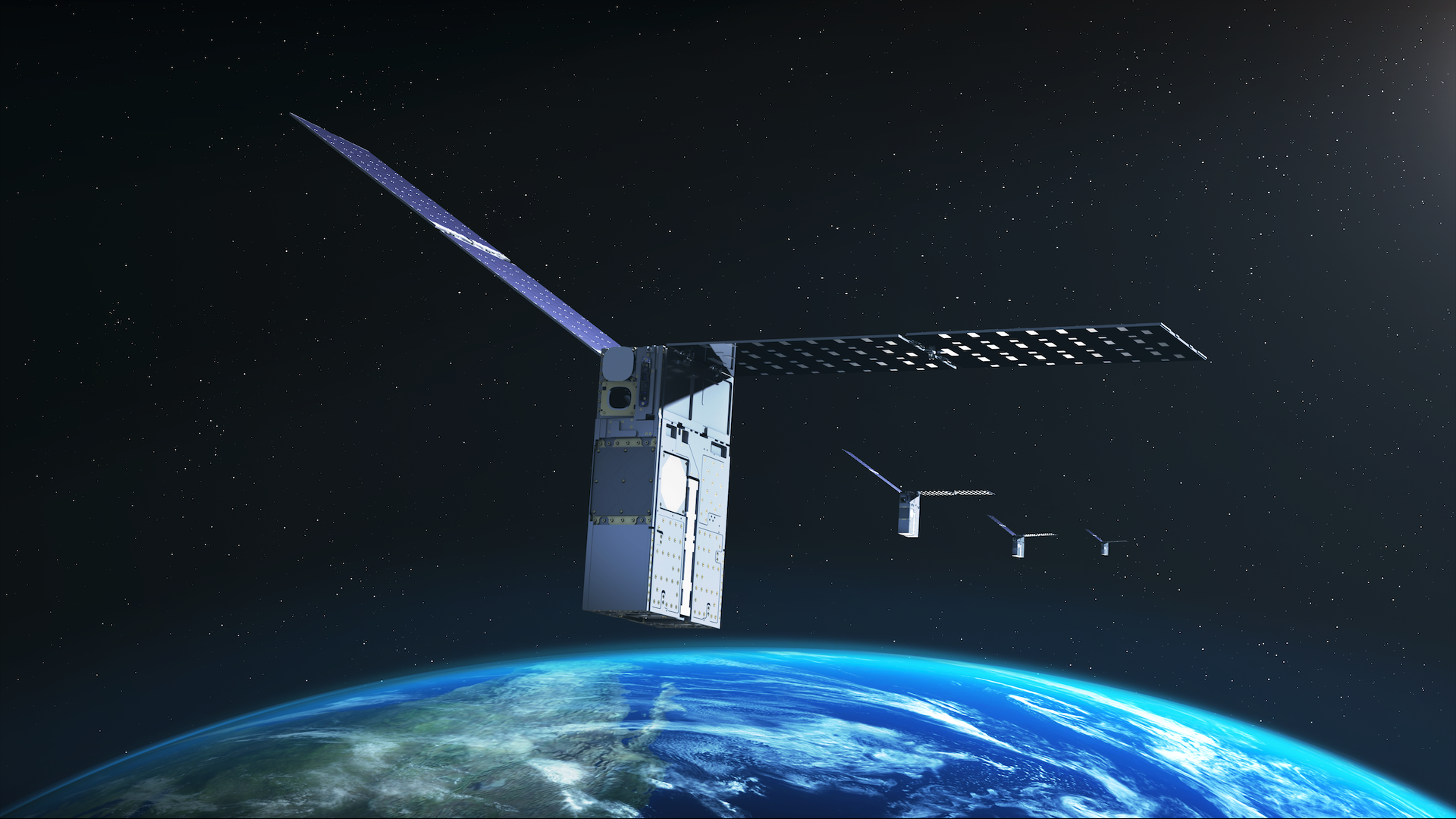
NASA's FALCON experiment used Starling's cameras and an onboard catalogue to determine its orbit without GPS, while separately refining more than 200 object tracks. The post NASA has demonstrated a satellite that can determine its own orbit without GPS by photographing other spacecraft and debris, matching them against a catalogue of 20,000 objects, and using them as moving landmarks—a first-of-its-kind system that could eventually help spacecraft navigate near the Moon and Mars. appeared first on Space Daily .
NASA has demonstrated a satellite that can determine its own orbit without GPS by photographing other spacecraft and debris, matching them against a catalogue of 20,000 objects, and using them as moving landmarks—a first-of-its-kind system that could eventually help spacecraft navigate near the Moon and Mars.