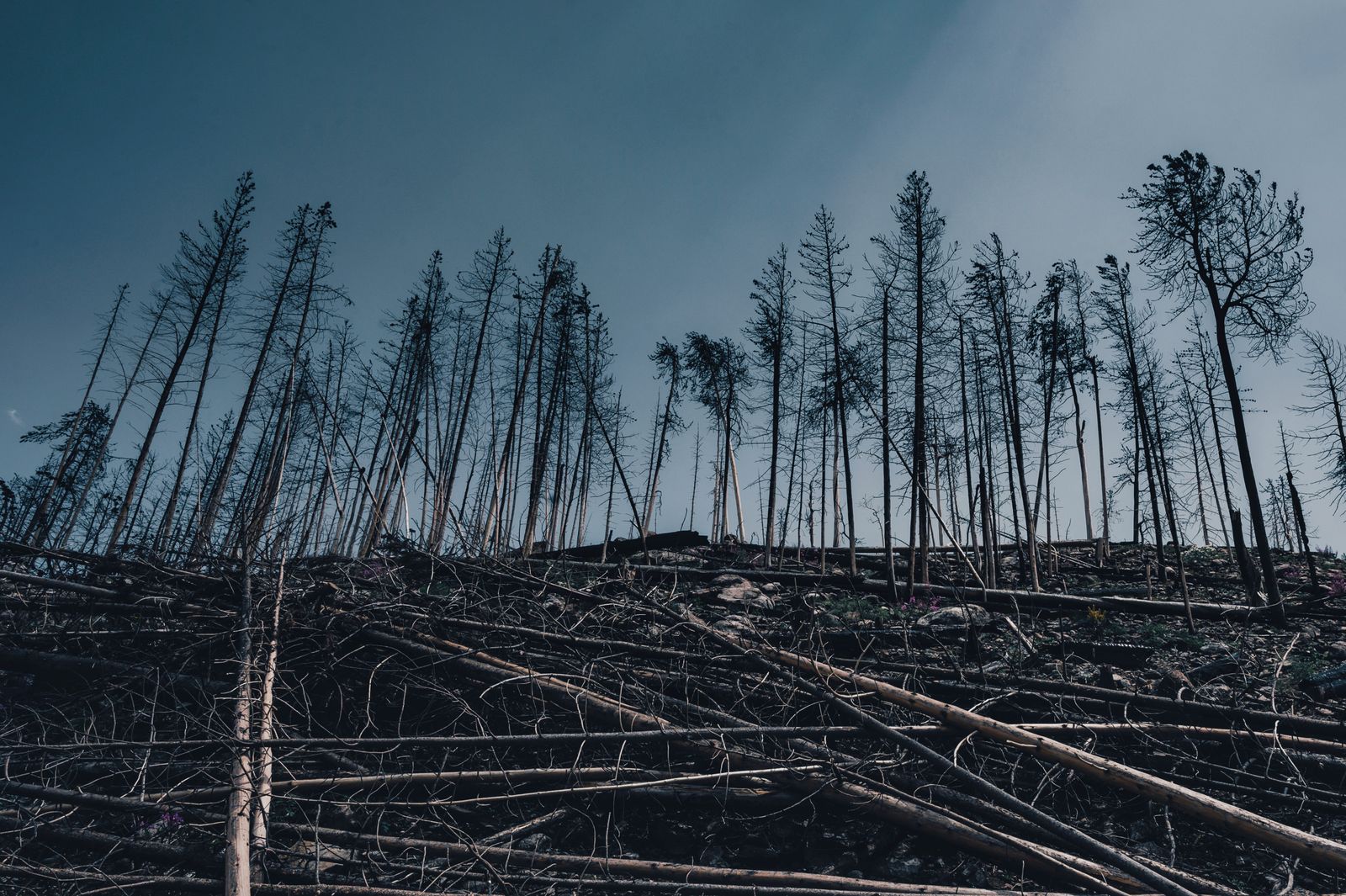
The 1908 Tunguska event flattened ~2,000 sq km of Siberian forest and left no crater. The reason is an airburst: a stony asteroid that disintegrated several kilometres up. What the evidence shows, what is still argued, and why a century-old blast still drives planetary defence. The post In 1908, something exploded above the remote Siberian forest of Tunguska with enough force to flatten roughly 2,000 square kilometres of trees — and more than a century later, no impact crater has ever been found, because the object, probably a small asteroid, appears to have blown itself apart in the atmosphere. appeared first on Space Daily .
In 1908, something exploded above the remote Siberian forest of Tunguska with enough force to flatten roughly 2,000 square kilometres of trees — and more than a century later, no impact crater has ever been found, because the object, probably a small asteroid, appears to have blown itself apart in the atmosphere.